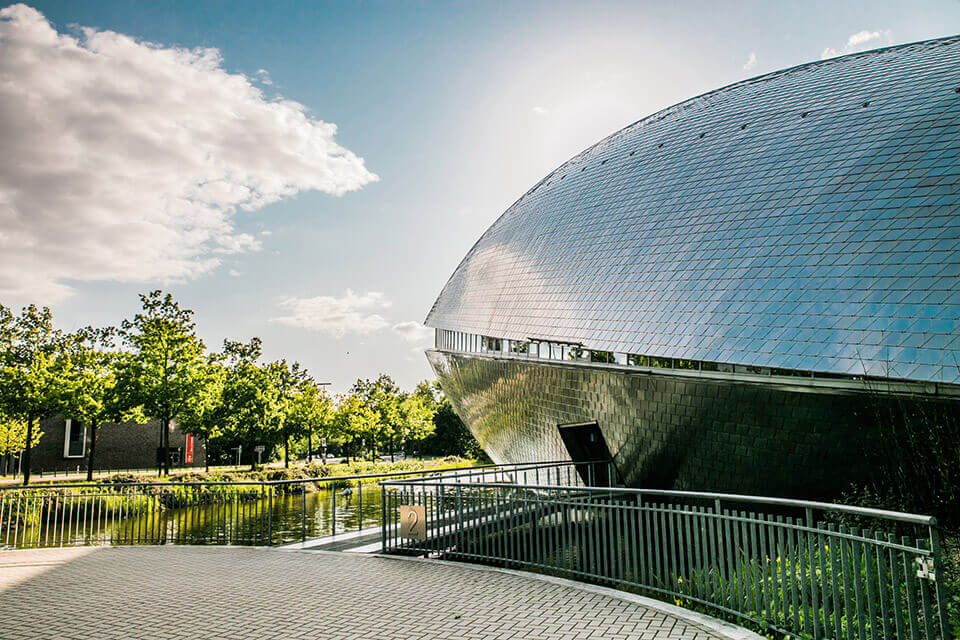
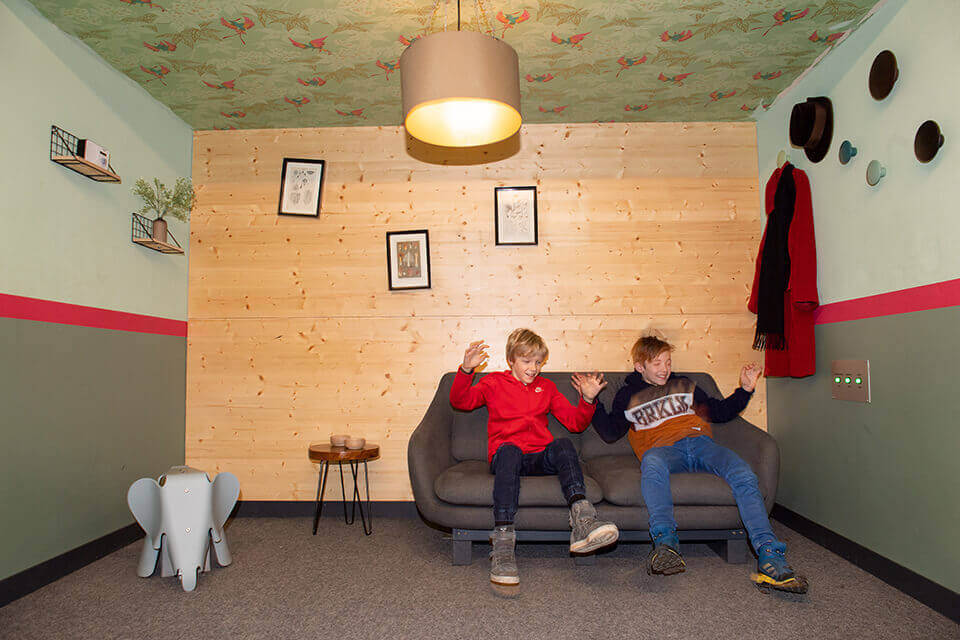
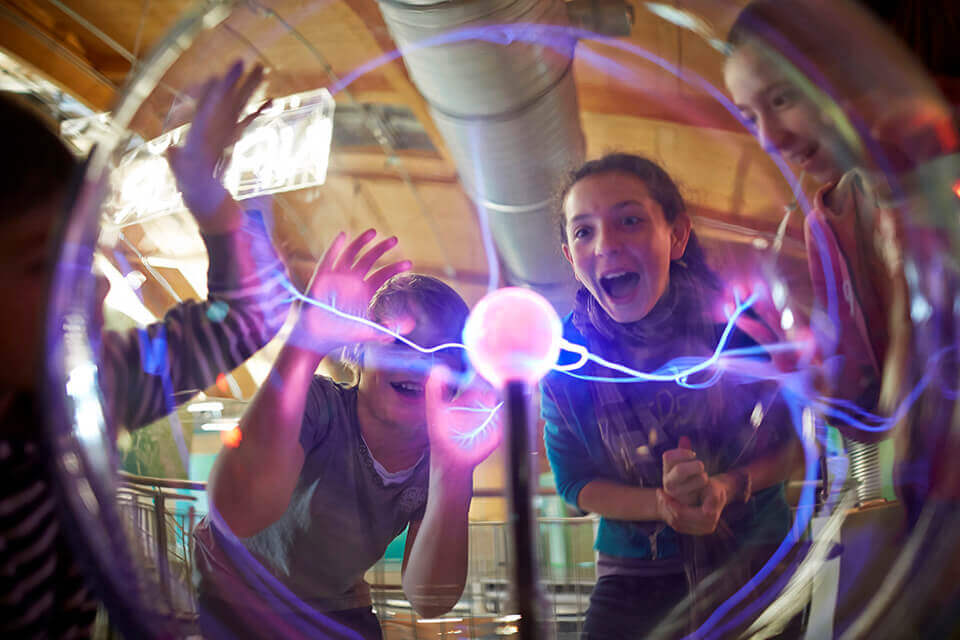
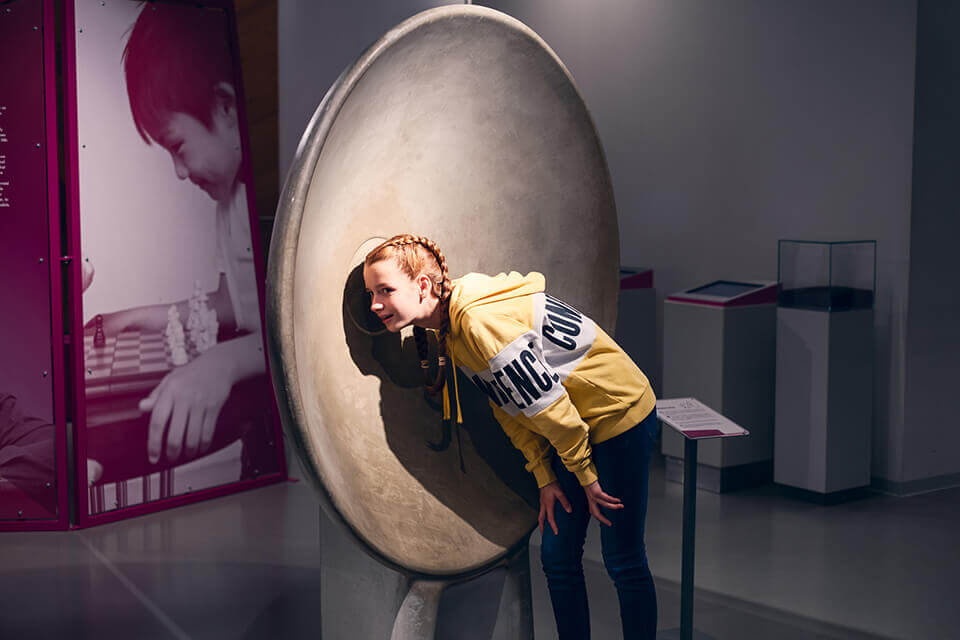



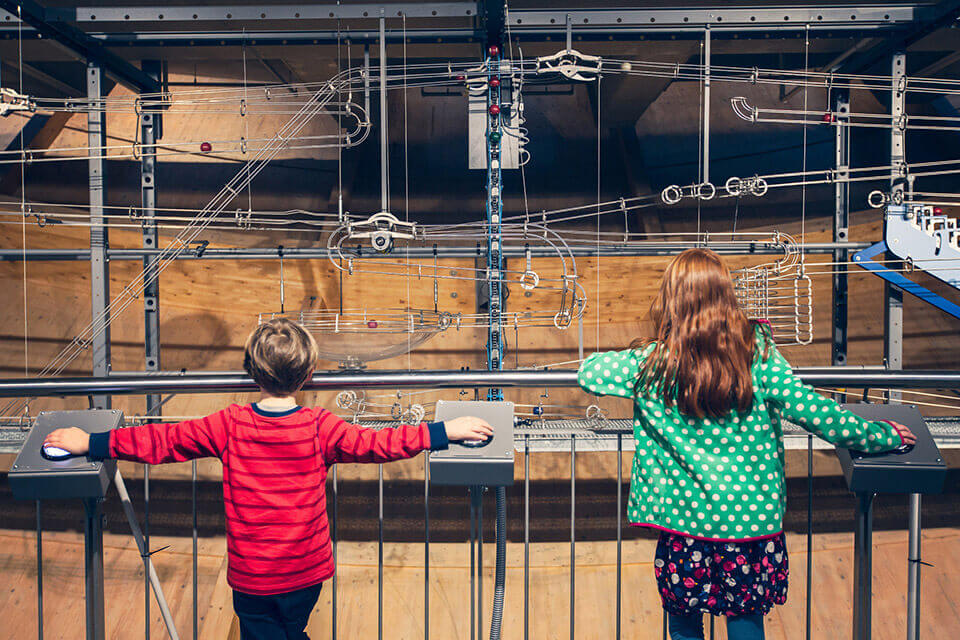
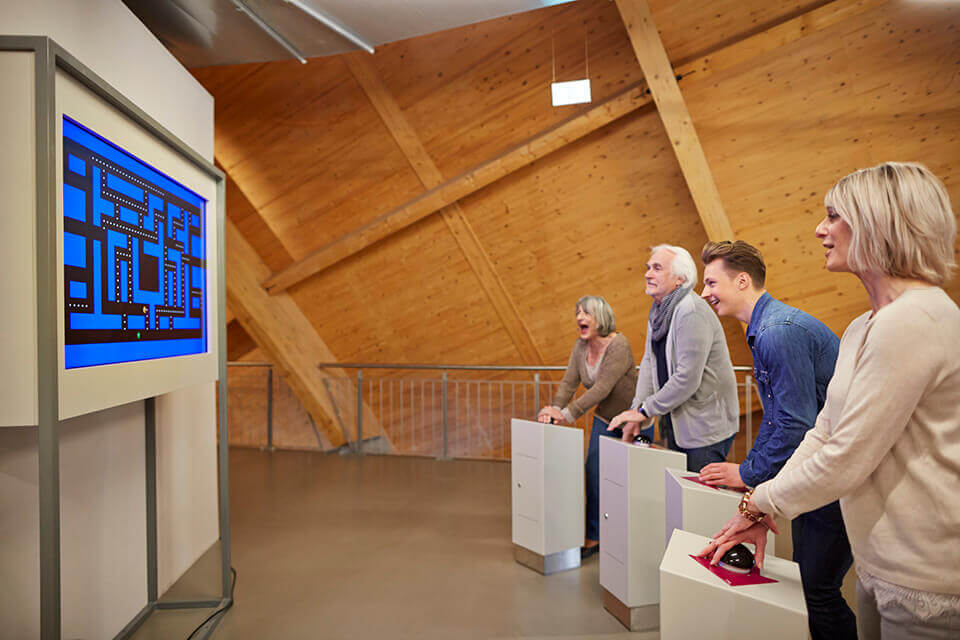


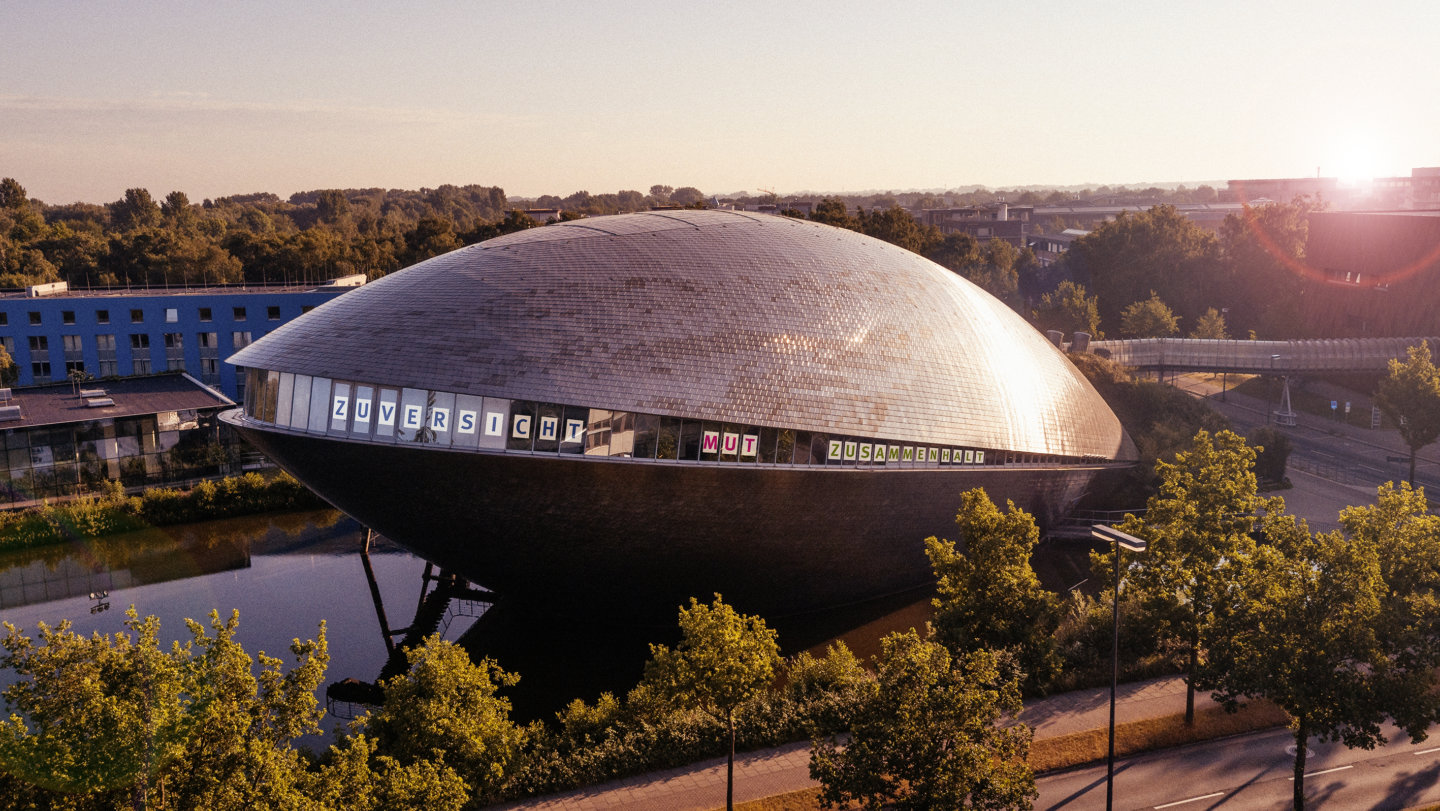
Im Universum® Bremen begeben Sie sich auf eine außergewöhnliche Entdeckungstour in die Welt der Wissenschaft. An über 300 Exponaten können Sie naturwissenschaftliche Phänomene hautnah und mit allen Sinnen erleben und verstehen. Unsere drei Themenbereiche Technik, Mensch, Natur warten darauf, erkundet zu werden. Viel Spaß dabei!
Es kann auch draußen geforscht werden! Im Außenbereich laden weitere spannende Stationen zu den Themen Wasser und Wind ein. Kennen Sie das Himmelsfenster auf unserem Turm der Lüfte? Der 27 Meter hohe Turm bietet nicht nur eine tolle Aussicht über Bremen, sondern überrascht auch mit weiteren interessanten Exponaten zum Ausprobieren und Entdecken. Hoch hinaus!
Verblüffende Experimente bringen Sie während unserer täglichen Science Shows zum Staunen – hier gibt es Wissenschaft mit Spaßgarantie. Die Shows sollten kleine und große Forscherinnen und Tüftler bei einem Besuch im Universum® nicht verpassen!
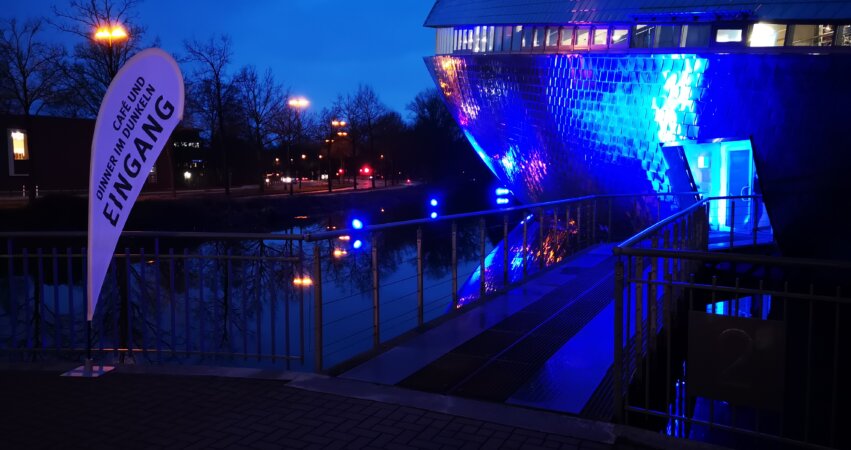
Für unser beliebtes Format Café im Dunkeln sind noch Plätze für den 3. Mai verfügbar. Die etwa zweistündige Veranstaltung kostet 22 Euro pro Person und beinhaltet verschiedene Kuchensorten sowie Heißgetränke...
mehr lesen
Unser Podcast „Wunder dich schlau” feiert dreijährigen Geburtstag! In dieser besonderen Jubiläumsfolge kommen Christine, Peer und Tobias zusammen, um einen Blick hinter die Kulissen des Podcasts zu werfen. Sie plaudern...
mehr lesen
Erlebe Mathematik auf ganz neue Weise in der Zusatzausstellung „Reingefuchst – Mathe zum Anfassen“ vom 31. Januar bis zum 26. Mai 2024 im Universum® Bremen. Schluss mit abstrakten Formeln, Funktionen...
mehr lesenUniversum® Bremen
Wiener Str. 1a
28359 Bremen
+49
(0) 421 / 33 46-0
+49 (0) 421 / 33 46-109
info@universum-bremen.de







Sie sehen gerade einen Platzhalterinhalt von Facebook. Um auf den eigentlichen Inhalt zuzugreifen, klicken Sie auf die Schaltfläche unten. Bitte beachten Sie, dass dabei Daten an Drittanbieter weitergegeben werden.
Mehr Informationen


